Song Lang
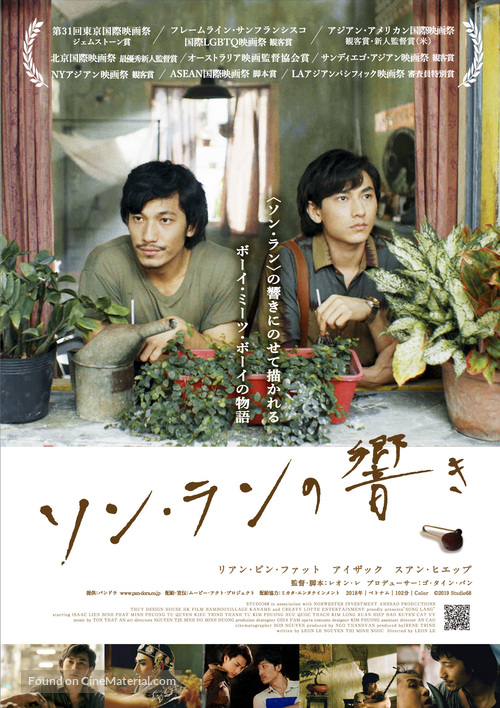
2018 – Vietnam – 101 min
Directed by Leon Le
Cast | Liên Bình Phát, Isaac, Minh Phượng, NS Kim Phương, Thanh Tú, Mai Cát Vi
Screenplay | Leon Le, Nguyễn Thị Minh Ngọc
Cinematography | Bob Nguyen
Editing | Leon Le
Music | Tôn Thất An
Art direction | Đỗ Thế Bình, Nguyễn Minh Đường
Costumes & Production design | Ghia Ci Fam
Producers | Veronica Ngô, Irene Trịnh
World premiere at the Tokyo International Film Festival, 2018
“Best Narative Feature” at the Philadelphia Asian American Film Festival, USA – 2019
“Best New Director” Beijing International Film Festival, China – 2019
Tôn Thất An’s score was nominated for “Best Music” at the Vietnam Film Festival – 2019
“…Ton That An’s musical score of tendered violin interceded by mysterious and offbeat guitar strings […] adds to the languid vibe of the movie.”
Vietnamese Cinema Blog
“… I’m gushing at the cast and the writing, but I mustn’t neglect to mention others in the team. Of course, An Ton That’s music, such an integral feature of the way the story was presented, needs to be credited: it was traditional without being sentimental and complemented the rest of the production with ease.”
Alix Turner, Ready Steady Cut
listen to the soundtrack:
“When Leon Le first approached me in Saigon on the last days of 2017, I had just finalised work for The Third Wife. I was supposed to be on a short hiatus period before starting the composition of the score for the black & white / silent reworking of The Third Wife. The coming six months were quite filled with various projects: an art installation, a contemporary dance piece and another long feature film. But I was intrigued and very interested. Song Lang, his debut feature was the next big thing and everyone was talking about it.I had be realistic: I had no time, so I declined. A few months later, I was again in Saigon and Leon asked to meet up. The editing was by then nearly completed, and deadline was coming near. He was still searching for a composer and wanted my opinion regarding the issue. He had been in touch with a few musicians who all claimed they could do the job. But he was not convinced. I told him that the most important was to genuinely like the music. And as I was telling him that, it slowly dawned on me that perhaps I should be the one to do the music. There wasn’t much time left, so, busy as I was, I said yes. One thing I appreciated and respected in Leon was that he had his vision and would defend it.
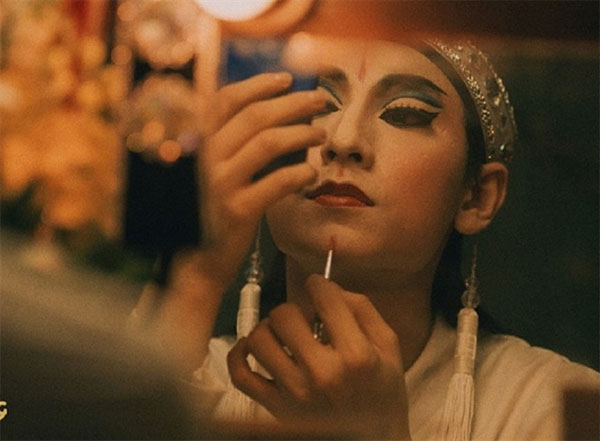
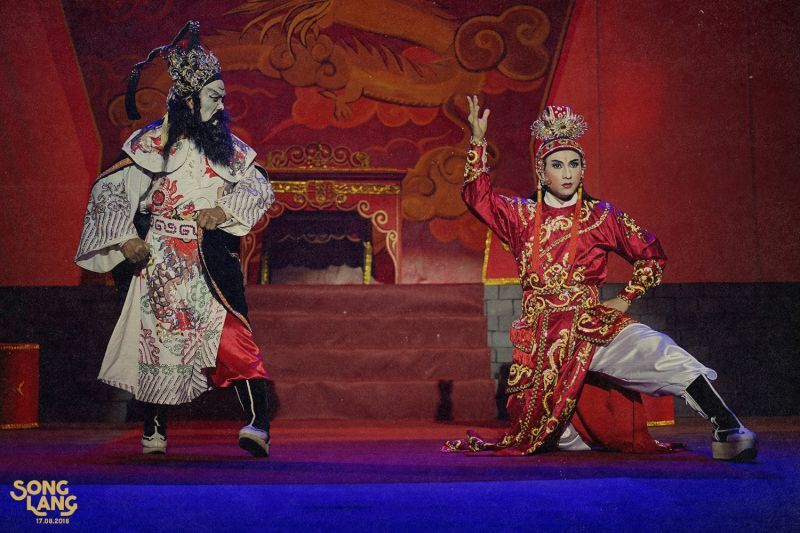
The Third Wife experience was a fairly smooth one. Of course, writing the score was challenging, but I had plenty of time. The music had composed along with the editing and I was free to express all my ideas and get experimental. For Song Lang, it was quite the opposite: I had ten weeks at most to write and record the music, the editing was 80 percents done, I had to closely follow the narrative – and not get too experimental! And also, the one major challenge was the role of cải lương (Vietnamese opera) in the film.
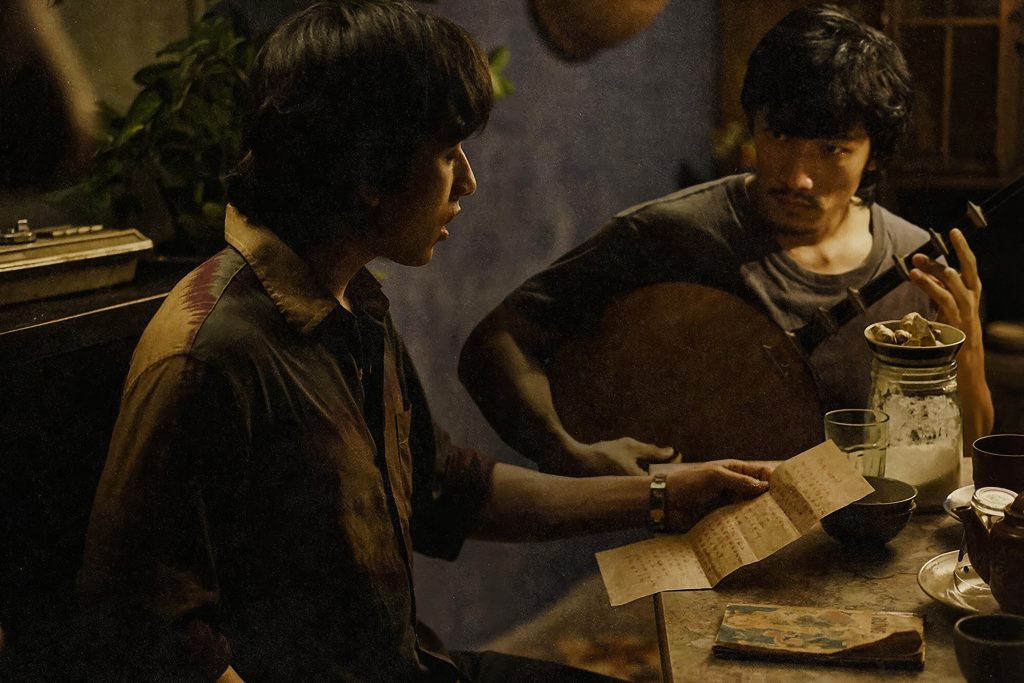
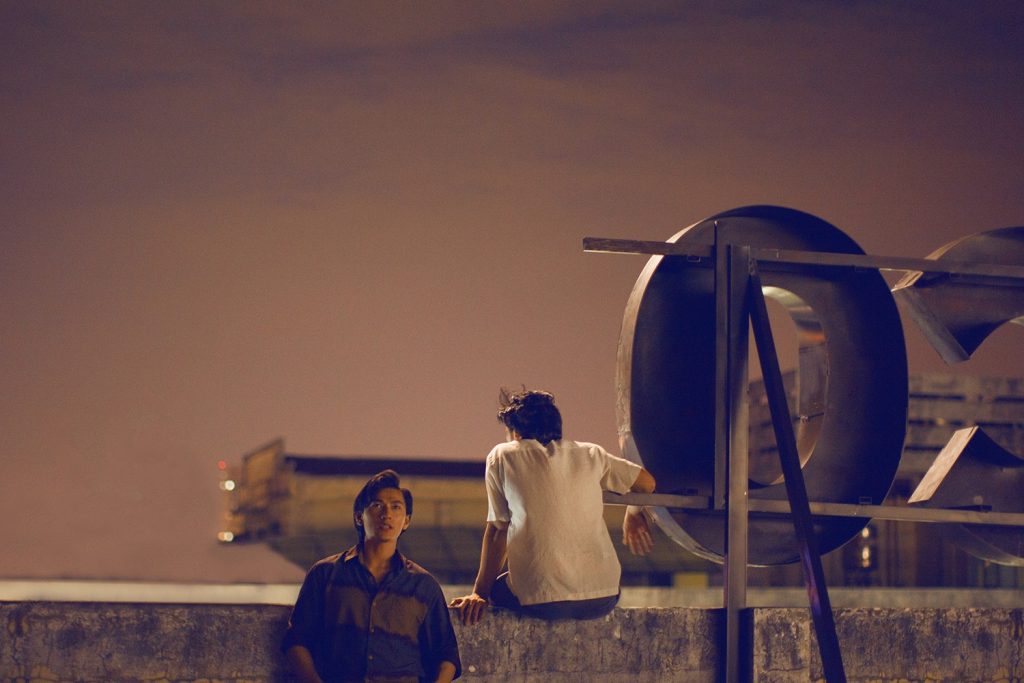
I had attended a few cải lương shows in my childhood, but to say that I am knowledgeable about it would be a bit of a stretch. Before I start work on a film, I usually like to take the time to collect ideas and inspiration and feel how the story and the characters resonate in me. As I watched the rough edit Leon sent me, I was particularly struck by an element that perhaps not many people (in Vietnam, that is) are familiar with: Film noir. The genre developed beyond the 50’s in other countries and was embraced in Asian cinema, notably in Japan in the 60s, and in Hong Kong and Korean cinema in recent decades. In Song Lang, most of the scenes take place after nightfall. The cinematography beautifully plays with dark tones and shadows. All this triggered the first pieces of music, for character of Dũng ‘Thunderbolt’.
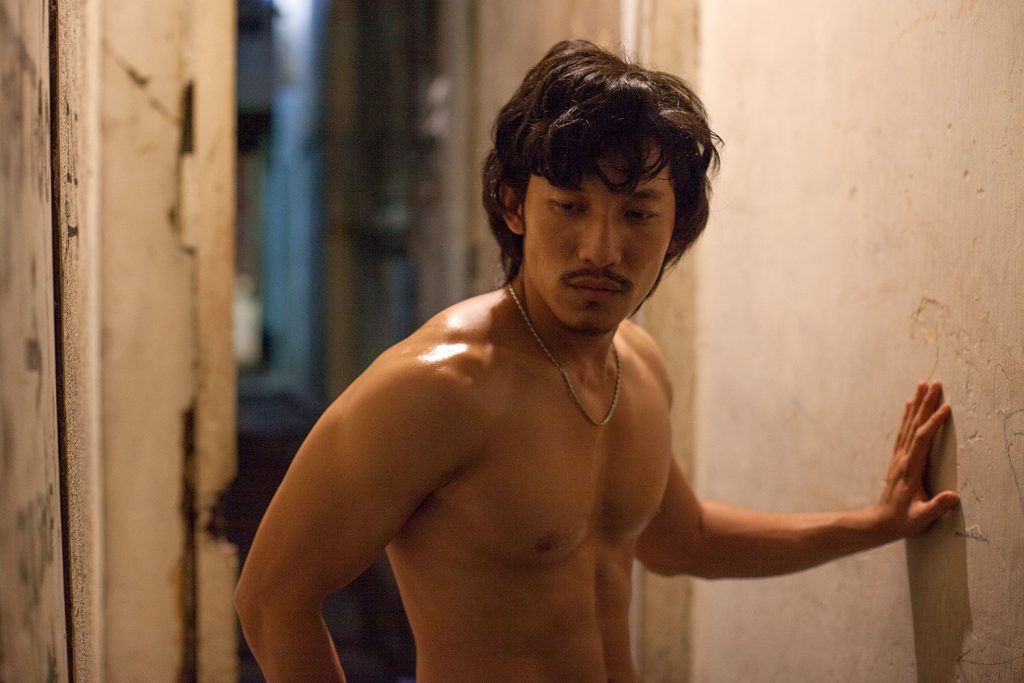
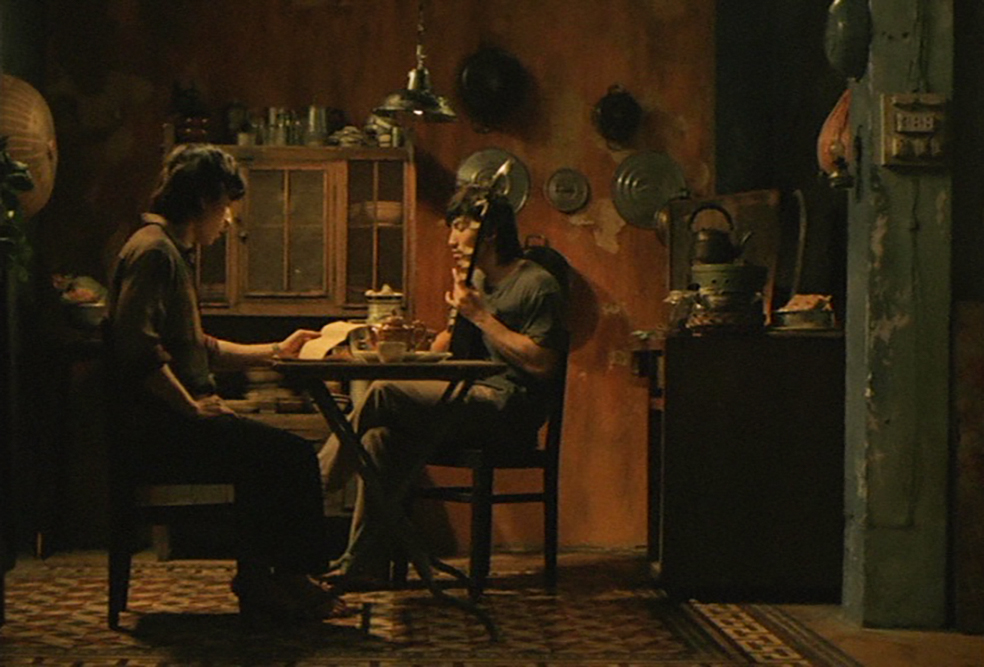
With that angle in mind, I started to sketch musical ideas, first focusing on the character of Dũng: brooding and dark, with moody electric guitars, then cello and acoustic guitar to express the burgeoning relationship between the two young men, atmospheric piano for the two little girls, strings as the Voice of Fate, as the film is structured like a Greek tragedy…
I began recording the music in Taipei but wrote most of it in Paris. Then there was the cải lương issue to handle… Leon originally wanted me to integrate some elements of it in the score, even suggesting that the musical accompaniment could mirror the way musicians would support singers during a cải lương show. However, the more I thought of it, the more it became obvious that cải lương being a prominent part of the narrative, it would be superfluous to hear it in the score as well. Leon understood and accepted my point and told me to keep going with my ideas. He seemed satisfied with the first drafts I sent him. However, even if he gave me lots of creative space, I was still walking on eggs. Was I taking the film in the right direction?
The dramatic apotheosis towards the end of the film was the biggest challenge for me. Leon wanted something very lyrical, “that would flow, like water”. I don’t know how many different versions of the theme I have written. How to create true melodrama without being corny or syrupy? It nearly drove me insane! A brain under pressure wanders astray. So I gave myself one day off. Then it came. One afternoon I pictured an English seascape (don’t ask me why), I thought of Elgar’s cello concerto (quiet anguish, yes that was it!). I sat at the piano and everything flowed out effortlessly. Inspiration does take unexpected paths.
Needless to say how relieved I was when I got the approval from Leon!
During the few weeks it took me to compose all the music, the characters became part of my life. Like friends… in my head. Music was the dialogue that went on between them and me. And when all has been said, it is time to say goodbye. And then Song Lang took flight.”
Tôn Thất An in “Song Lang, The Book”