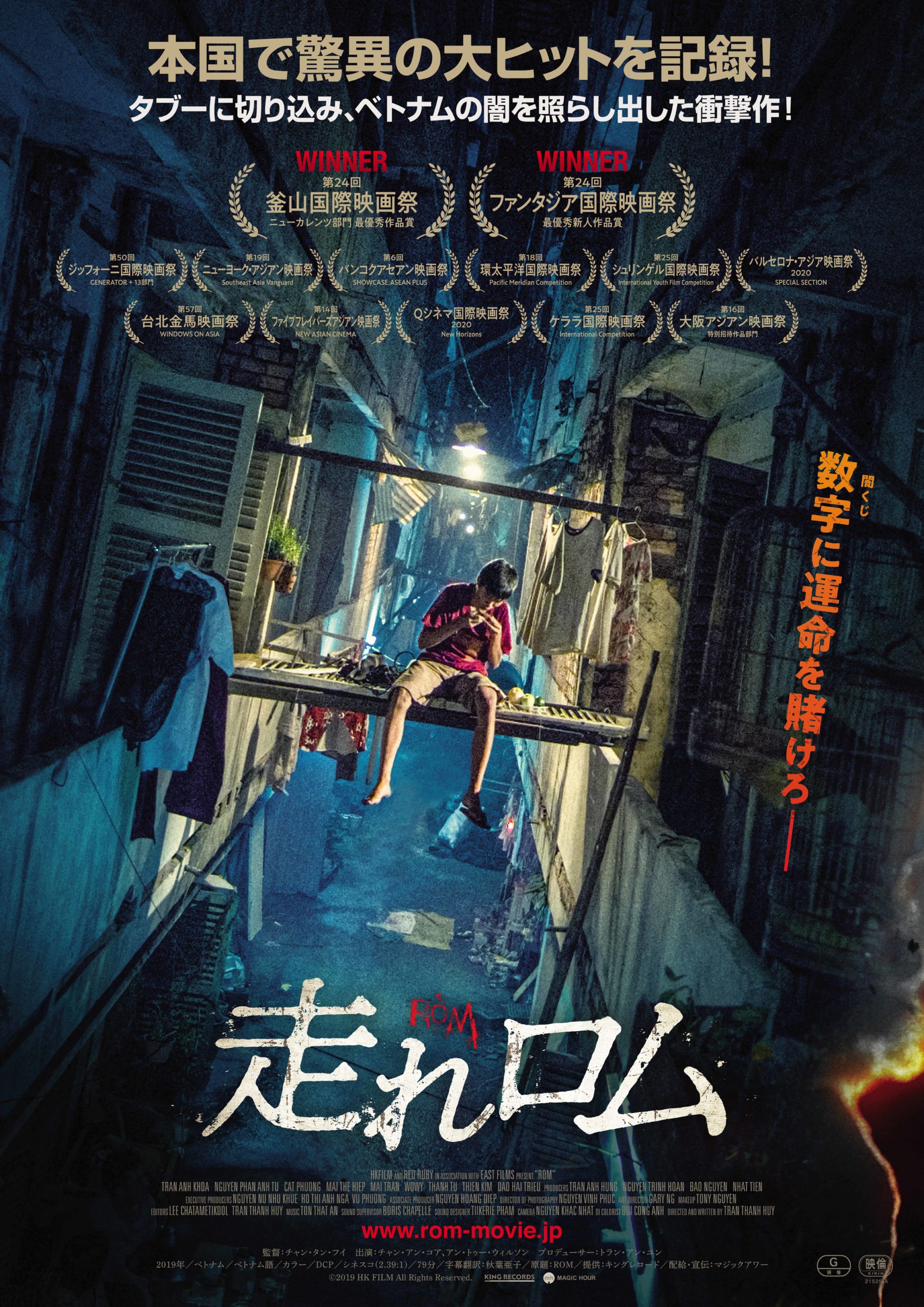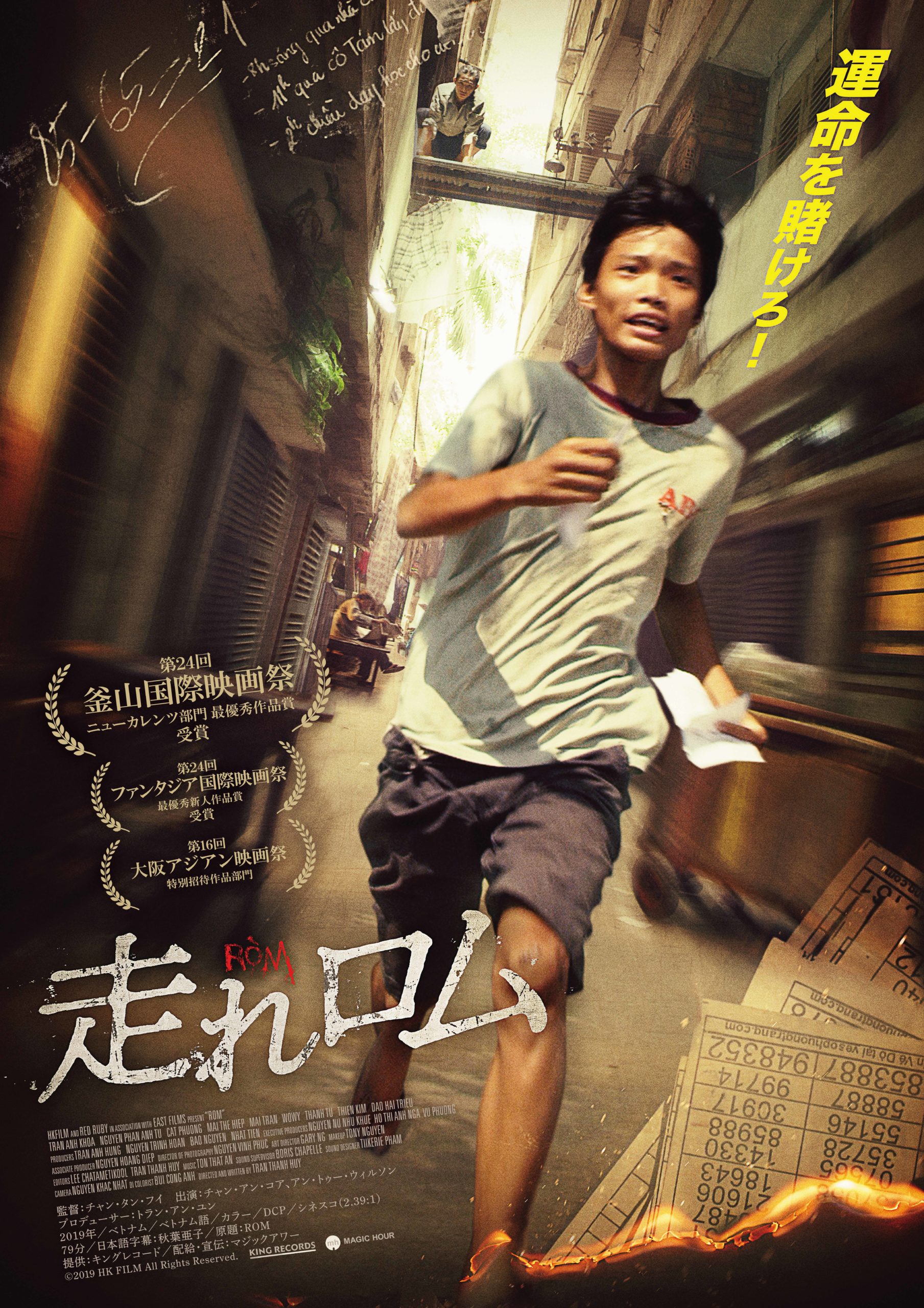
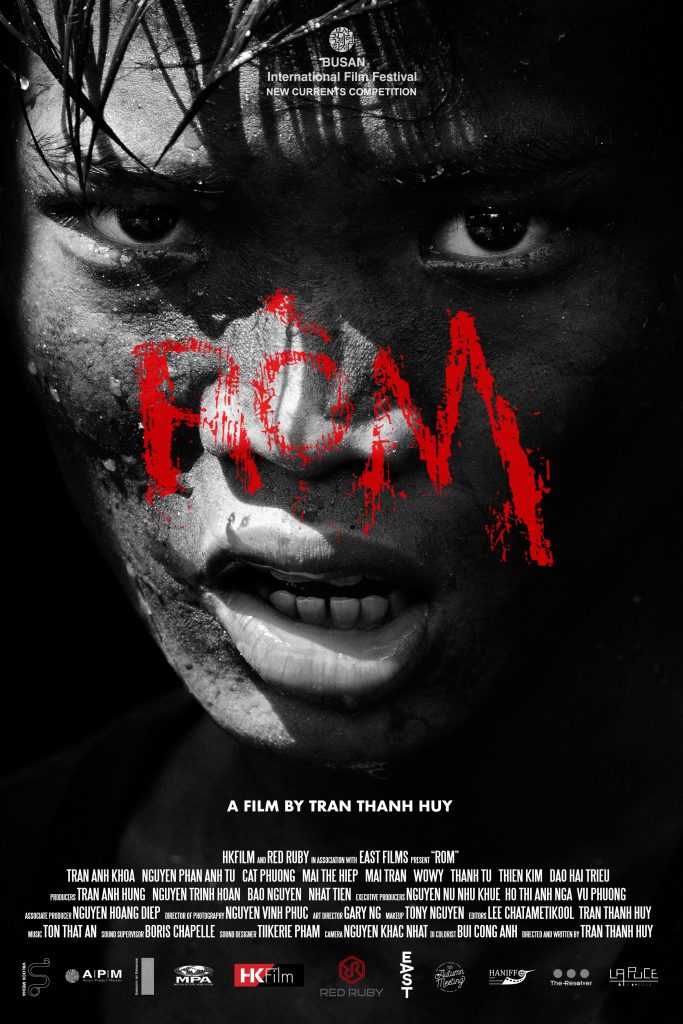
Ròm
2019 – Vietnam – 86 min
Directed by Trần Thanh Huy
Cast | Trần Anh Khoa, Nguyễn Phan Anh Tú, Đó Như Cát Phượng, Nguyễn Huy Wowy, Mai Thế Hiệp, Mai Trần, Thanh Tú, Đào Hải Triều, Thiên Kim, Lãnh Thanh
Screenplay & story | Trần Thanh Huy
Cinematography | Nguyễn Vinh Phúc
Art Direction | Gary Ng
Editing: Lee Chatametikool & Trần Dũng Thanh Huy
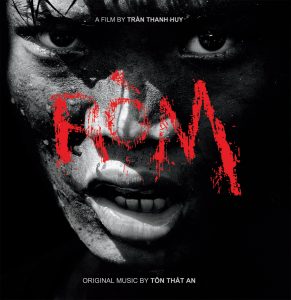
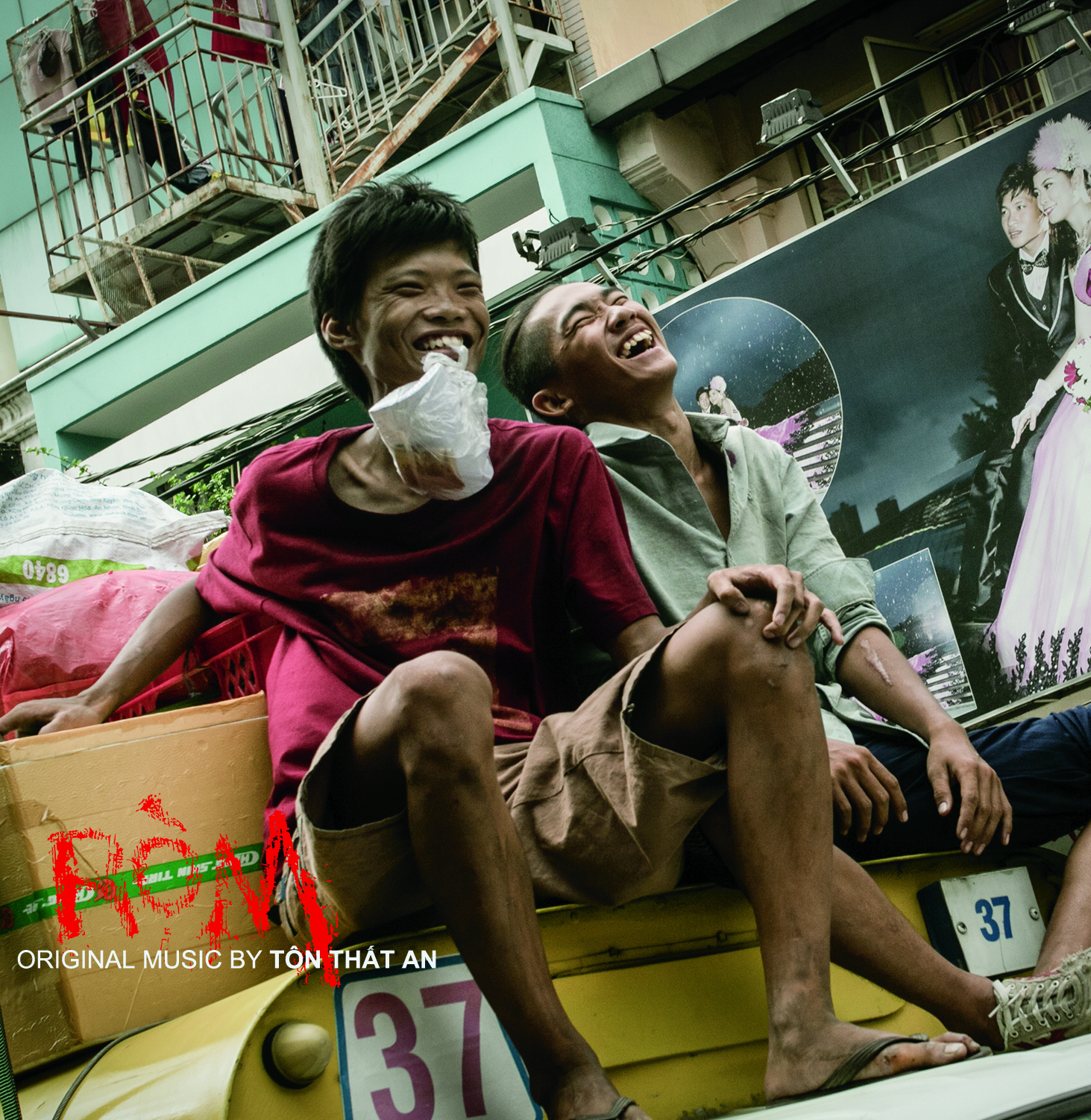
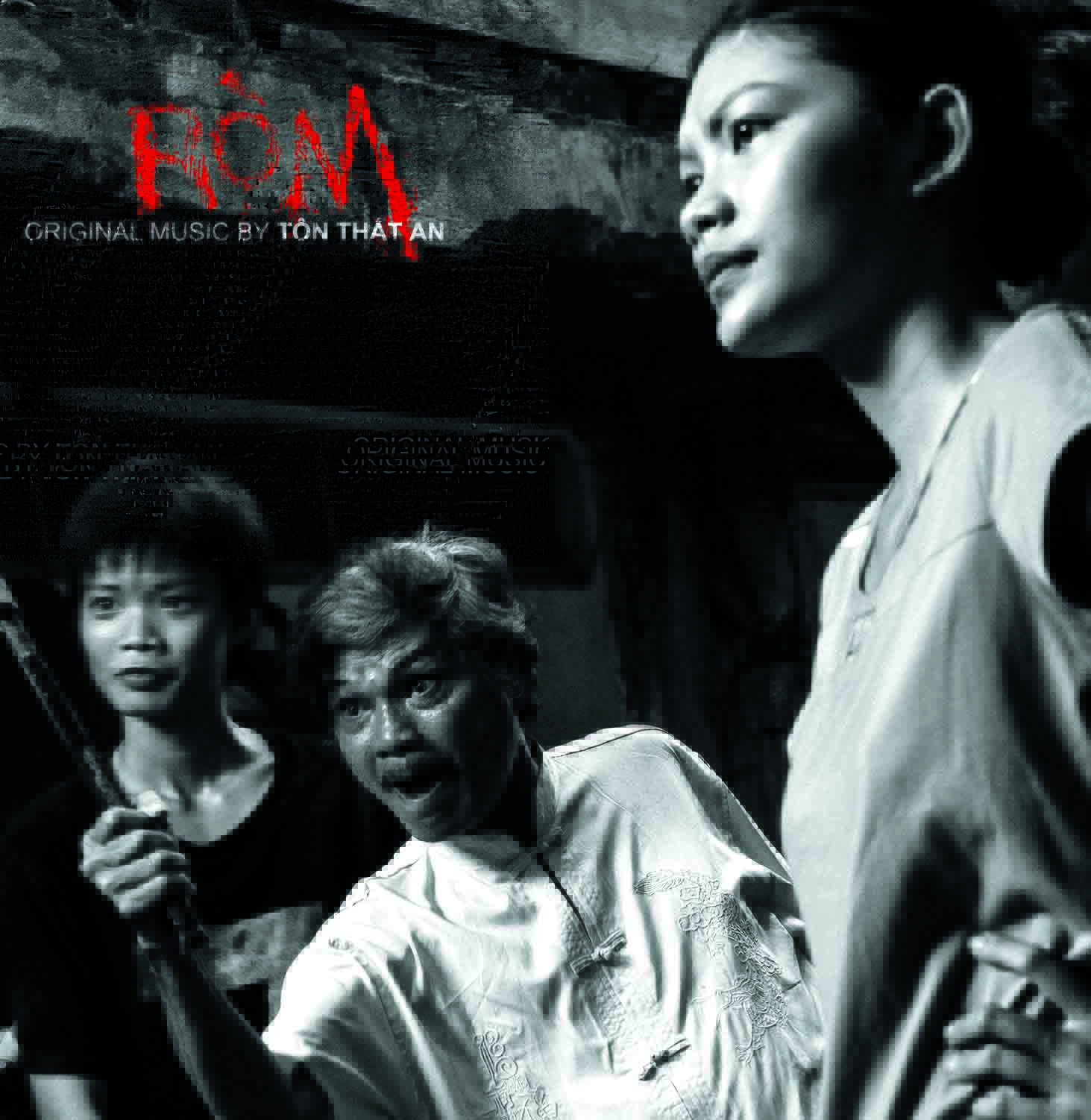
Music | Tổn Thất An
Sound Supervision | Boris Chapelle
Music editing & mixing | Roman Dymny
Producers | Trần Anh Hùng, Nguyen Trinh Hoàn, Nguyễn Hoàng Điệp, Nhật Tiên, Bao Nguyen
Executive Producers | Nguyễn Nữ Như Khuê, Phạm Tấn Nghĩa
World Premiere at the Busan Film Festival, South Korea, 2019
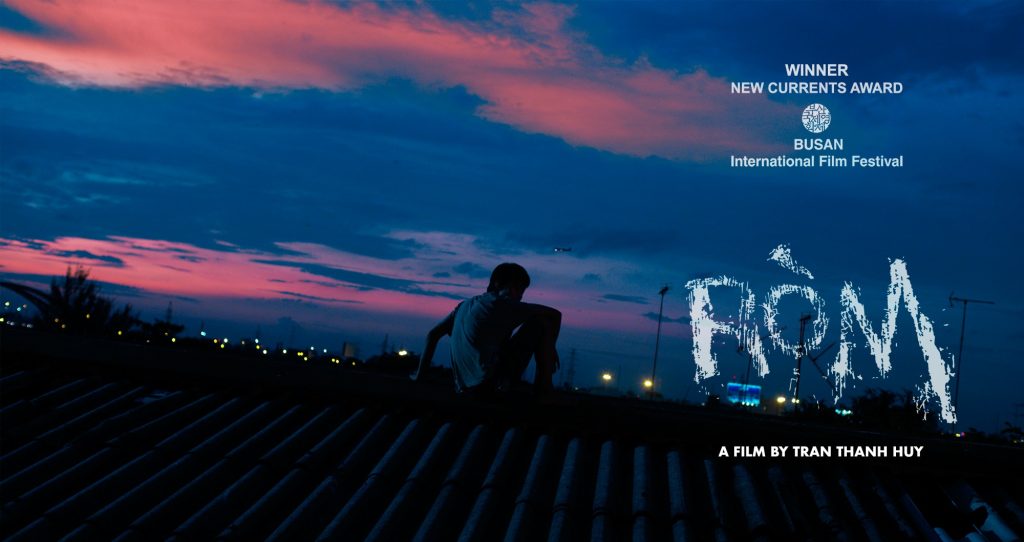
“Best Film”, New Current Award, Busan Film Festival, South Korea, 2019
“Best First Feature” New Flesh Award for Best First Feature, Fantasia Film Festival, Montréal 2020
“Best Film”, Special Section Award, Barcelona Asian Film Festival, Spain, 2020
“Ròm’s world is a nasty crucible in Huy’s vision, one that only his and Lee Chatametikool’s frenzy-but-comprehensible editing plus Nguyen Khac Nhat and Nguyen Vinh Phuc’s barreling photography have the composure to convey. […]
On the technical front, comfort resides in the minimal score from French-Vietnamese composer Ton That An”
Nguyên Lê, JumpCut Online
“I received an email one day from Trân Anh Hùng who talked about a film by Trần Thanh Huy, a young first time director he was mentoring. “That film needs your music”, he wrote. “It’s very unique and interesting, and would highly benefit from your score giving it cohesiveness.”
It was spring of 2018, we had just completed The third Wife, I had started writing for its silent and monochrome reworking, I had accepted to compose for another debut feature, Leon Lê’s Song Lang as well as a first short film by a young Taiwanese filmmaker, Wang Zhi-Xiang.
By the time I finished all those projects, Huy was standing onburning coal. I did take the time to watch the cut he had sent me while I was composing for the other films – Ròm was indeed interesting, but very messy, visually arresting with this frenzy energy that was quite galvanising, but also quite messy. However, I trusted Hùng’s opinion. So if he felt confident that I could and should do the music for that film, then there was no other choice but to say yes and seize the opportunity!
The third Wife was premiering at the Toronto Festival in September, and Ash offered to fly me over to attend. The only time a director would do such a thing, the generous gesture was even more meaningful as it was the very first festival I would attend! Ash and I were to begin music and sound editing for the monochrome version a couple of months later. So far, there wasn’t a single note written for Ròm… The Toronto film festival was followed by Busan and the Golden Horse Festival in Taipei.
However, I had begun an exchange with director Huy in order to slowly get into the vibe of the film. As we would regularly do, even up tonow, we had long conversations on the phone or via visio-conferences to exchange ideas. If Hùng had the inkling I was right for film, Huy needed some reassurance extending beyond his trust in his mentor. In the midst of my creative mayhem and the festivals, I managed to compose a few pieces for him. One of them was the opening music, for which I used found sounds such as an axe chopping wood, the thud of a heavy object or the mechanical whir of lift doors, on top of which Allen Wu played various hand percussion instruments. The full music came much later after I finished work on the black-and-white version of The third Wife, renamed Between Shadow and Soul. I recorded many of the musicians before I flew again to Paris: erhu with Allen Yeh, the strings – as the budget was very low, poor Edric Chang did all the parts himself!, and my piano parts. One piece that imposed itself on me was the music that plays towards the end of the film, during the two boys’ run across the city. The choice of instruments came very naturally. The suite starts with a hand pan played by Allen, backed by percussive elements also played by him and with additional beats programmed by me, then suddenly, I felt like using a guzheng for the scene that came after when Ròm and Phúc fight on the railway track. Huy was surprised by the choice, and I was even more surprised than he was, but it was the film which had told me what it wanted. Then, there’s Bévinda singing at the very end, before the credits roll. That also came from the film. Months earlier, when I first saw that last scene with Ròm desperately endlessly running to catch Phúc, I heard Bévinda’s voice in my head. I didn’t know yet what she would sing, but I could sense the warmth of her voice, her beautiful phrasing and echoes of Portuguese fado. It didn’t matter that fado had nothing to do with contemporary Saigon, it simply worked. I recorded her vocals just weeks before we entered final mixing. I also recorded Franco Maigue’s classical guitar, and prepared piano with Vanessa Sanfilippo during that time
Huy was to come to Paris for the final sound mixing. Beside the first three pieces, Huy had no clue how the score would sound. For first meeting, I took him to Potemkine, the flagshop of the film distribution company. We sat at the back of the shop and I played him all the music I had composed. During one full hour, he sat there, listening to the score on the headphones as I was chatting with his partner Tiên.
When he was finished, I saw a big smile on Huy’s face. “I know how I am going to use the music and where I can play certain pieces!!!” He told me.
And there was this song by rapper Wowy who also had a part in the film, that Huy wanted to use in the film. After I listened to the demo, I suggested to rework it. Wowy objected to it, saying that he didn’t think I could ‘get’ the hip hop vibe. I said nothing and went on with it anyway. Musically, the original demo sounded more like the Backstreet Boys than say, Kendrick Lamarr! But I felt that Wowy’s infectious firegun flow could be elevated. I had one session with my longtime friend Jan, who played the electric guitars and with whom I programmed the drums. I was very inspired by Death Grips – their production is just so sick!!!
And out of nowhere, I heard taigu drums in my head, so I asked Hiroki-san in Japan to record a taigu track for me, which he miraculously managed in a very short time. The combination of the Japanese drum with the hip hop spirit and a touch of Brit-pop guitar was very unlikely, but the result more than pleased Huy. And Wowy? He was won over.
The end credit music actually stems from musical themes heard through the film and made into a suite. They come as we hear Bévinda’s voice and Franco’s guitar. Huy told me that he wished to use Wowy’s words for the end credit. His delivery in the song wouldn’t suit the end credit music at all, so I asked Wowy to record them again as spoken words. He did many attempts until I felt that the tone and phrasing were fine. His lyrics came out even more poignantly! Eventually, it was decided that the spoken words were superfluous – that was actually Hùng and Yên Khê’s opinion, so the music played without Wowy’s words and that’s how the film was presented at the Busan Festival.
But…
After the win at the Busan IFF, Ròm returned home and encountered censorship issues. For months and months, the film remained in limbo and was finally re-edited. Some ‘problematic’ scenes were deleted, the gritty and desperate tone was … toned down and a happy end was installed. The original end credit music was cut and replaced by Chạy, in the new arrangement I did of Wowy’s song entitled Chạy – Dragon version. I will not say too much about that new cut, except that I felt I was stabbed right in the heart when I saw it at the Golden Horse Festival the following year.
To my greatest surprise, Chạy became a hit in Vietnam. The end credit music with Wowy’s spoken words was also launched as a ‘slow’ version of the song they named ‘Chạy – Phoenix version, both came out with an MV specially shot for the film’s theatrical release in Vietnam and Wowy achieved mainstream success.
Composing for Ròm was a wild ride, but Hùng was right: it’s a unique film, I love it, and I am so glad I composed the music for it.”
From “The Hyperbody Diaries”
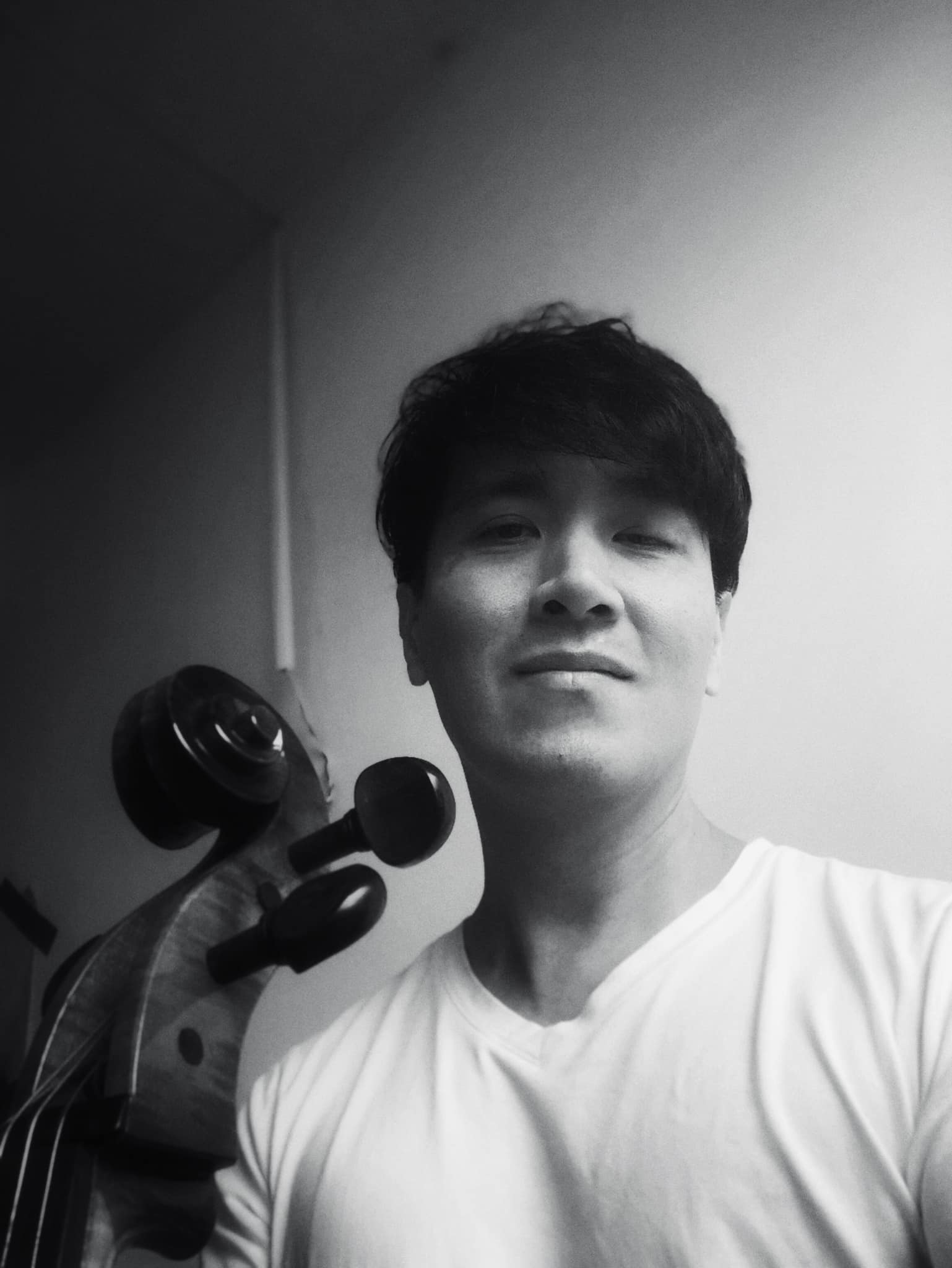
Listen to the soundtrack (click image to open)