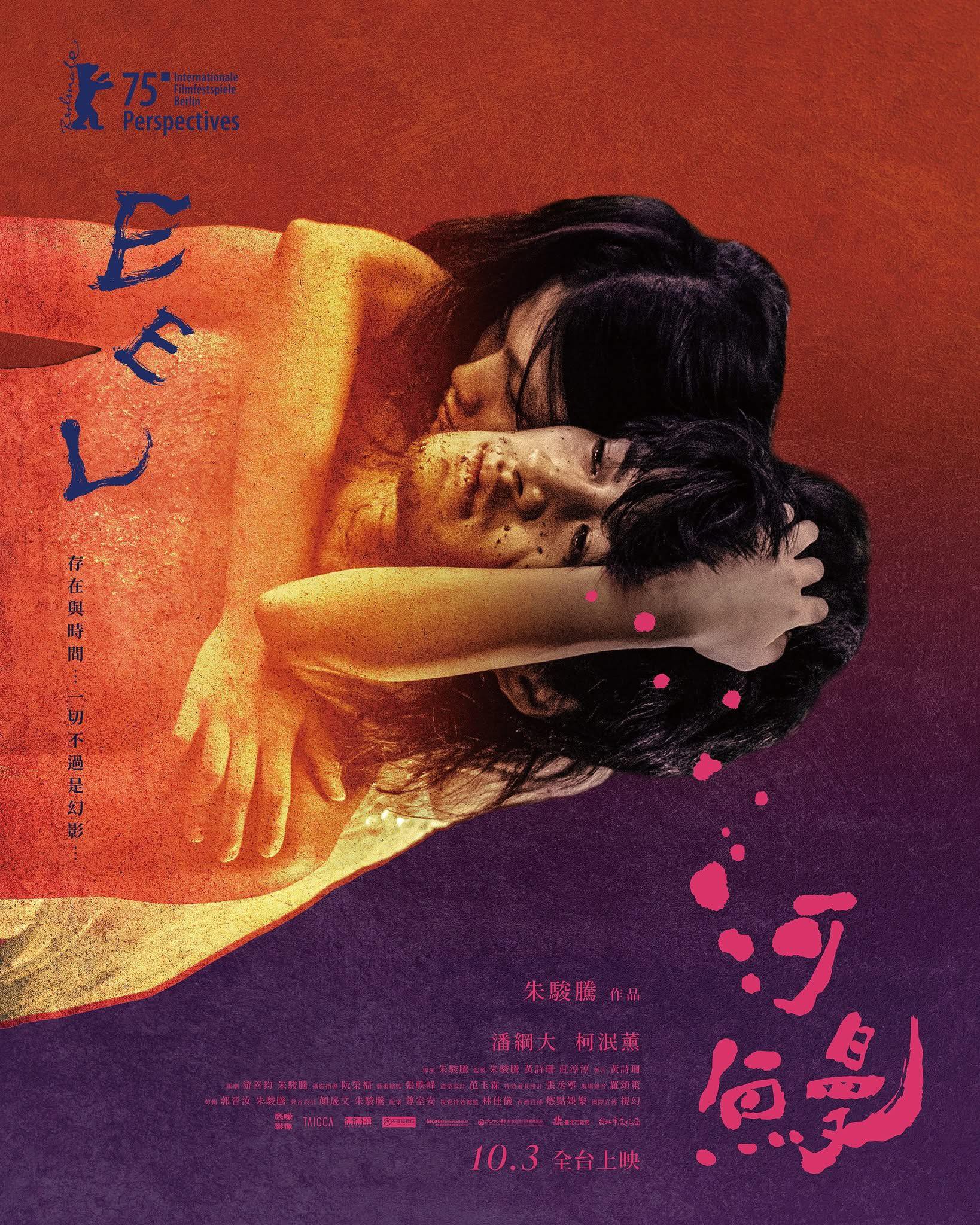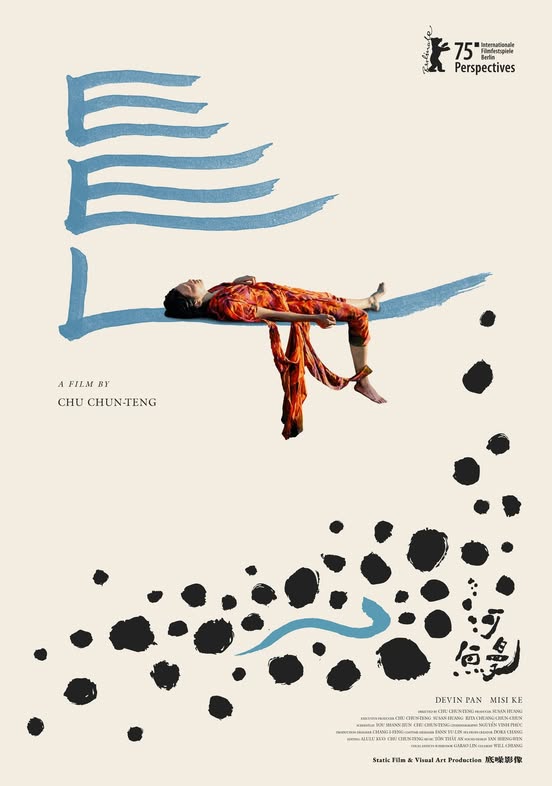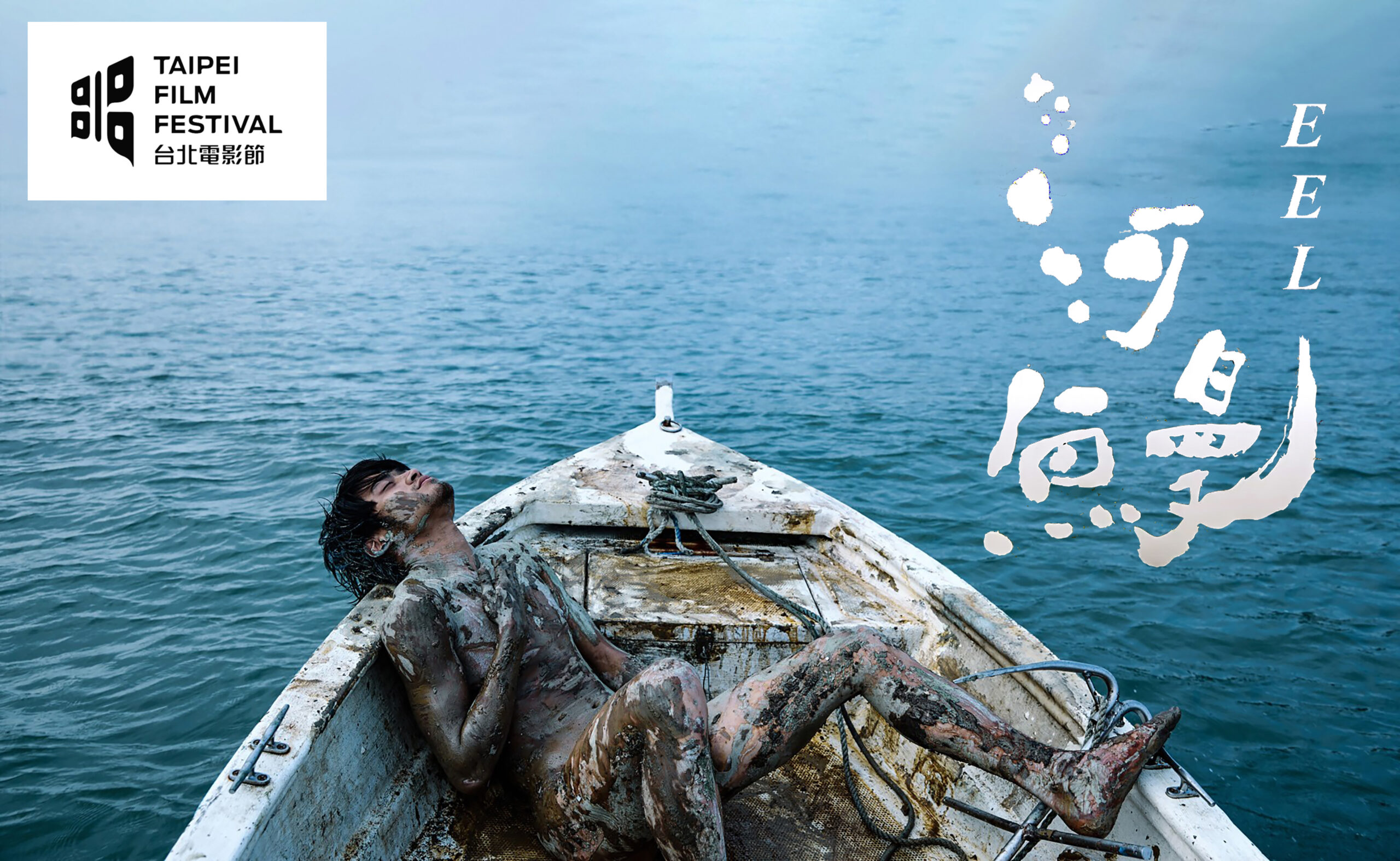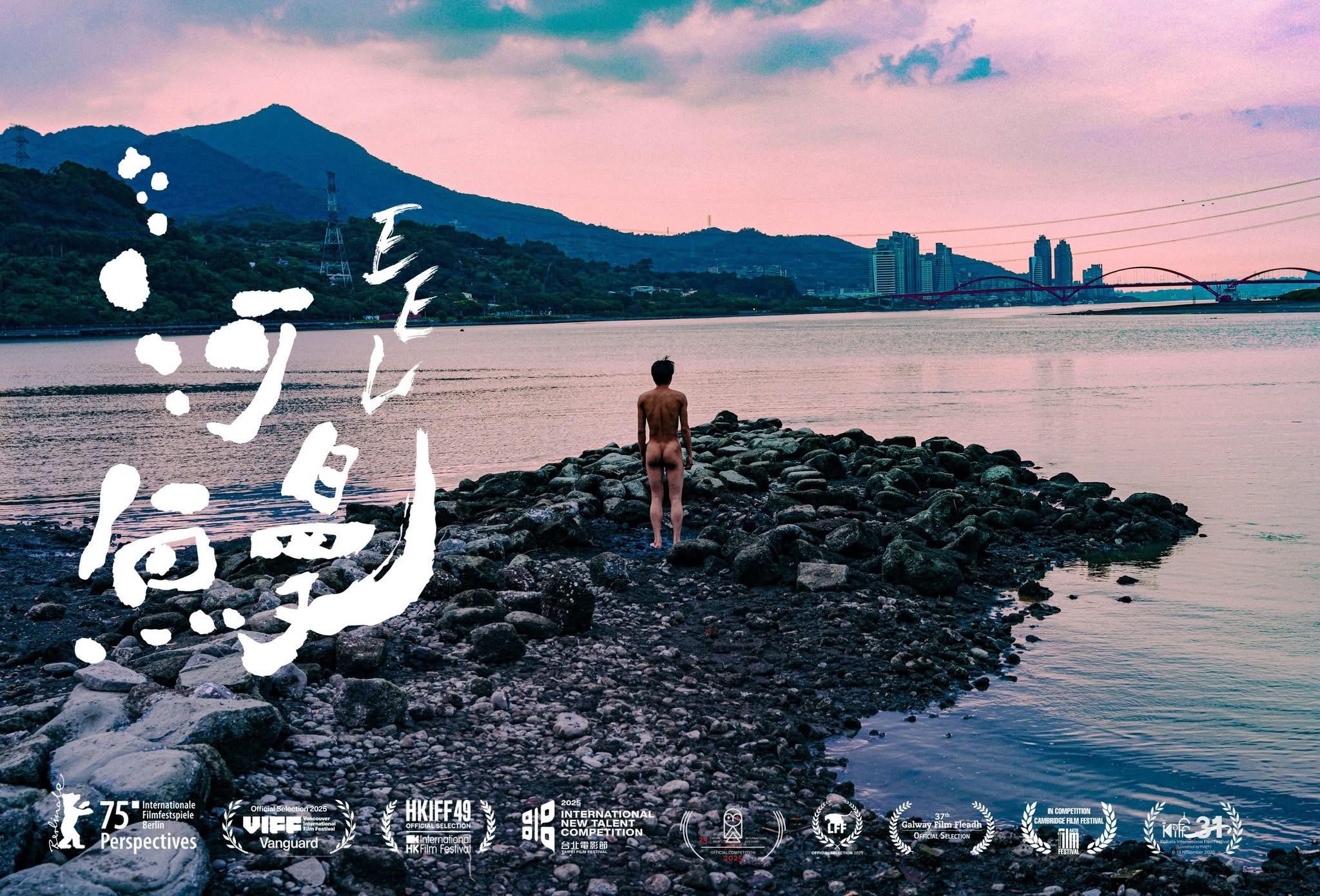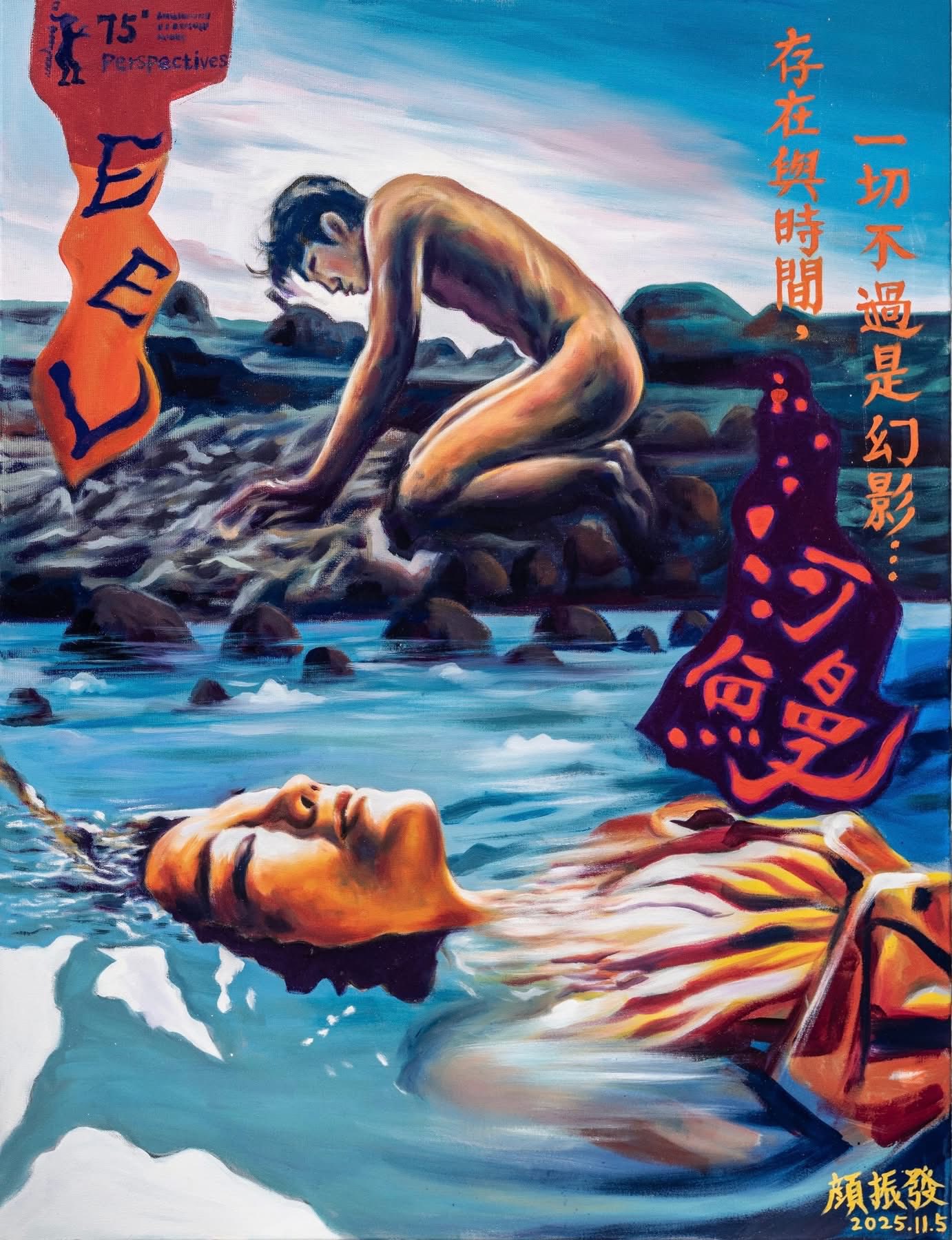
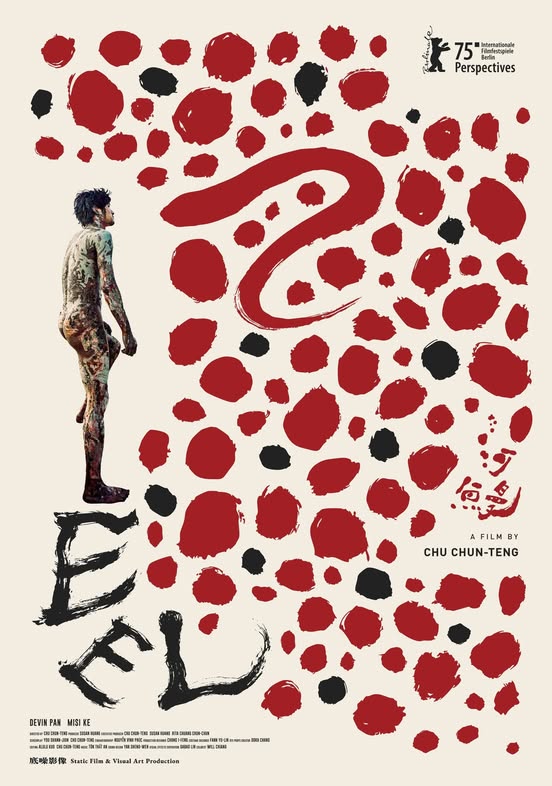
Eel 河鰻
2025 Taiwan – 102 min
Directed by Chu ChunTeng
Screenplay | Chu Chun Teng & You Shann-Jiun
Cast | Devin Pan, Misi Ke, Pan Chin-Yu, Bella Chen, Wu Mei-He
Cinematography | Nguyễn Vinh Phúc
Editing | Alulu Kuo & Chu ChunTeng
Music | Tôn Thất An
Sound | Yan Sheng Wen & Chu ChunTeng
Art Direction | Eitzel Wang
Costume | Fan YuLin
Colorist | Will Chiang
Producers | Rita Chuang, Susan Huang & Chu ChunTeng
“The film is a true sensory experience, the image enhanced by Tôn Thất An’s score, which is at times haunting and at others tenderly burlesque, and Yan Sheng-Weng’s highly immersive sound design.”
Florent Dichy – EastAsia
Premiere at the 75th Berlinale 2025
Asian Premiere at the Taipei Film Festival 2025,
Tôn Thất An’s score was nominated for “Best Music” at the Taipei Film Festival, 2025
Eel was also nominated for “Best Film”, “Best Actor”, “Best New Director”, “Best Art Design”, “Best Sound” and “Best Costume”.
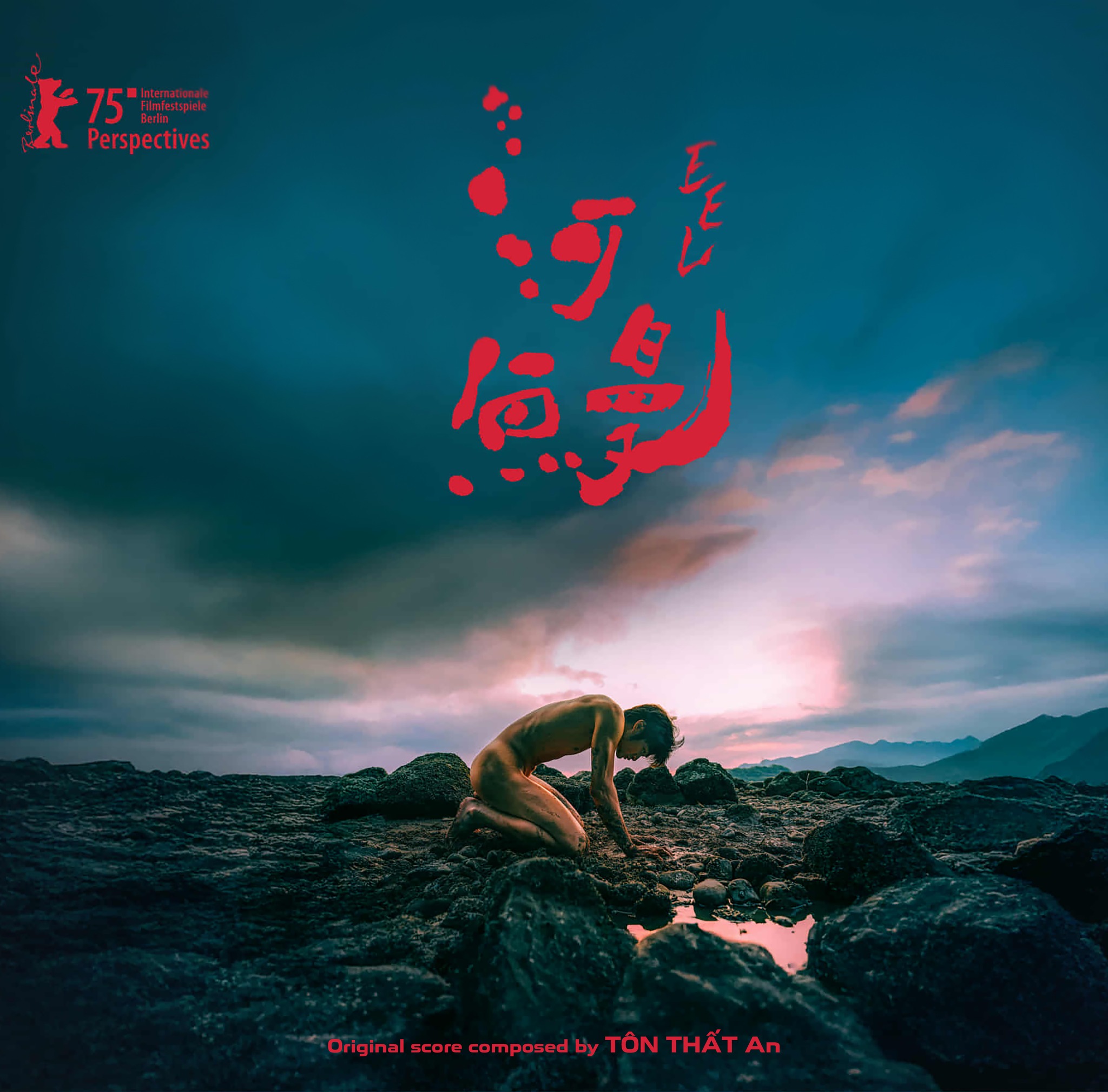
Listen to the soundtrack (click image to open):
“When I compose for film, I like to read the screenplay, or watch the film once, in order to get the feel of the story and the characters, the overall atmosphere and colours of the film. I will let my intuition guide me and compose all the music that comes in my head.
It was cinematographer Nguyễn Vinh Phúc who suggested Chu ChunTeng to approach me for the score. What made me immediately accept the project was the fact that I simply love and admire Phúc visual sense – his work for Trần Thanh Huy’s Ròm and Lê Bảo’s Taste is simply amazing, and I knew he did wonders for ChunTeng’s film.
Ideas came very quickly. I met up with ChunTeng and we spent the whole afternoon talking an exchanging.
For the character of Eel, I immediately knew I would be mostly using voices and vocal sounds and create a sonic universe that would reflect her inner state of being. And Misi Ke is a very subtle vocalist! I recorded her making all sorts of sound (from singing to humming, breathing, sighing, whispering, etc..).
For the character of Liang, my idea was to go for an eclectic choice of musical instruments: cello, detuned guitar, accordion, guzheng, tuba, everyday objects and found sounds used as percussion, thus bringing an offbeat vibe to his scenes. Regarding the tuba, there’s a very nice story attached to it: I had nearly finished writing and recording the music that was to play during Liang’s two encounters with the pig. It had a kind of disjointed Gypsy reggae feel to it, and I could help but hearing a tuba in my head. In Taipei, I didn’t know of any tuba player. (I later learned that were many marching bands at the Taiwanese high schools… They even made a film about it! The American influence…) I tried with a double bass, but wasn’t satisfied. A couple of months later, during one of my many stays in Paris to take care of my parents, I was having a leisurely walk on a Sunday afternoon with two friends along the Canal Saint Martin, my beloved neighborhood when I was still a Parisian, and heard a brass band playing on a little square, against a big wall covered with street art and grafitti. We stopped to listen to them. Among the musicians, I immediately spotted the tuba player. As soon as their set ended, I approached him, introduced myself, congratulated him and his fellow players, and went straight to the point: would he be interested in playing tuba for a Taiwanese indie film? To say that he was taken aback would be an understatement, but my inkling was right: he accepted, not without apologising for not being a professional musician. “We only play for fun!”. I reassured him, saying that the tuba part wasn’t that difficult, and if it were to be, we would do many takes. I sent him the score and a week later, he showed up at my cousin Bảo Châu’s flat with his sousaphone. “Same family, but the sousaphone is made for marching bands by composer John Sousa”, he explained. When you are in tune with yourself, the universe will conspire to give you what you wish for.
Everyone in the Eel team loved the tuba, sorry, the sousaphone.
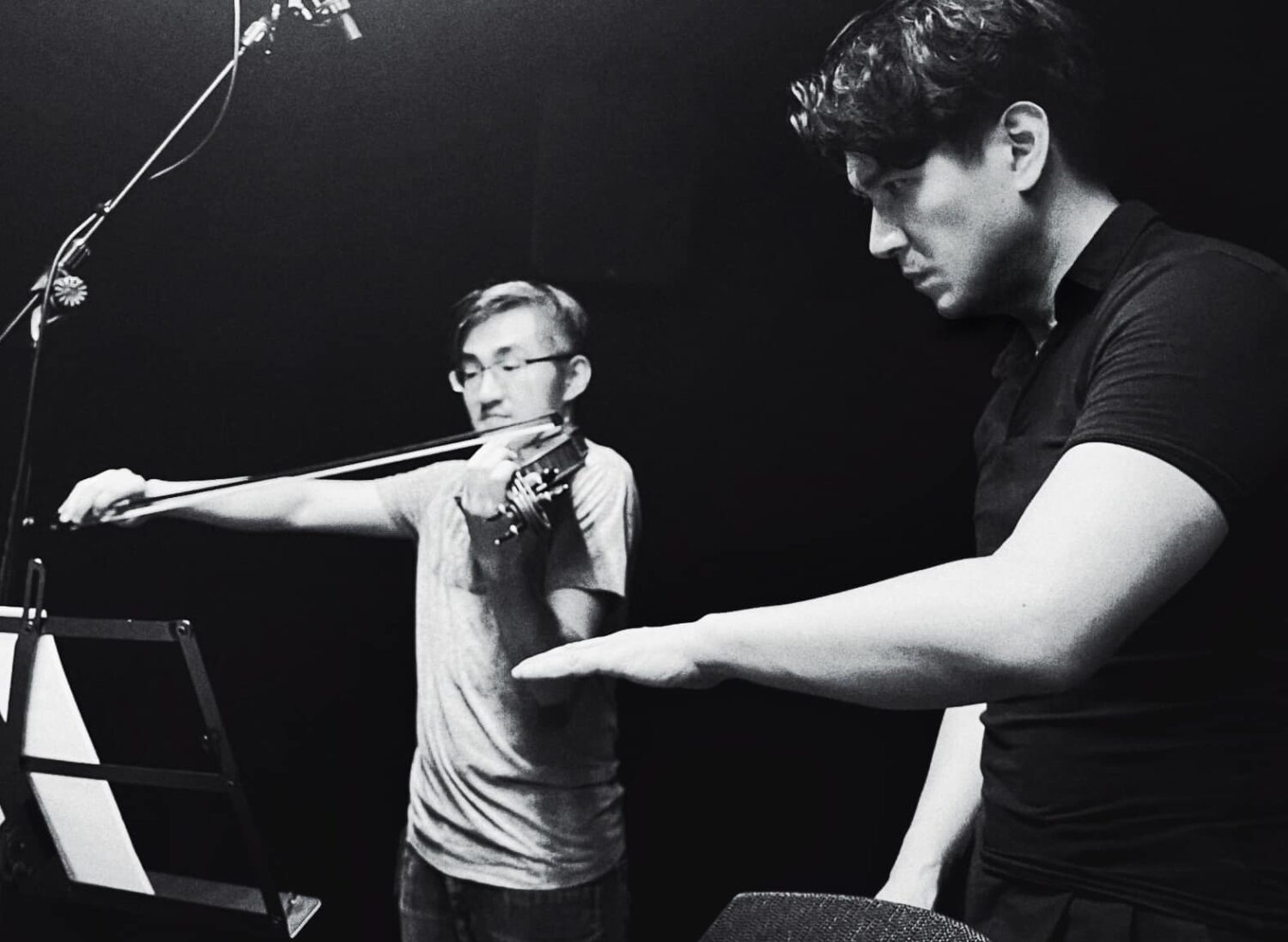
Fantasy, dreams and nightmare are an important aspect of the story, so I also developed musical ideas for that: a combination of strings, prepared piano, percussion, keyboards and digital sounds. The solo violin and cello parts were played by longtime partners in crime, Edric Chang and Emily Chang.
The whole process took long months. It was only towards the end that ChunTeng figured out the shape he wanted to give to his film. That also compelled me to completely revise and rework some of the score.”