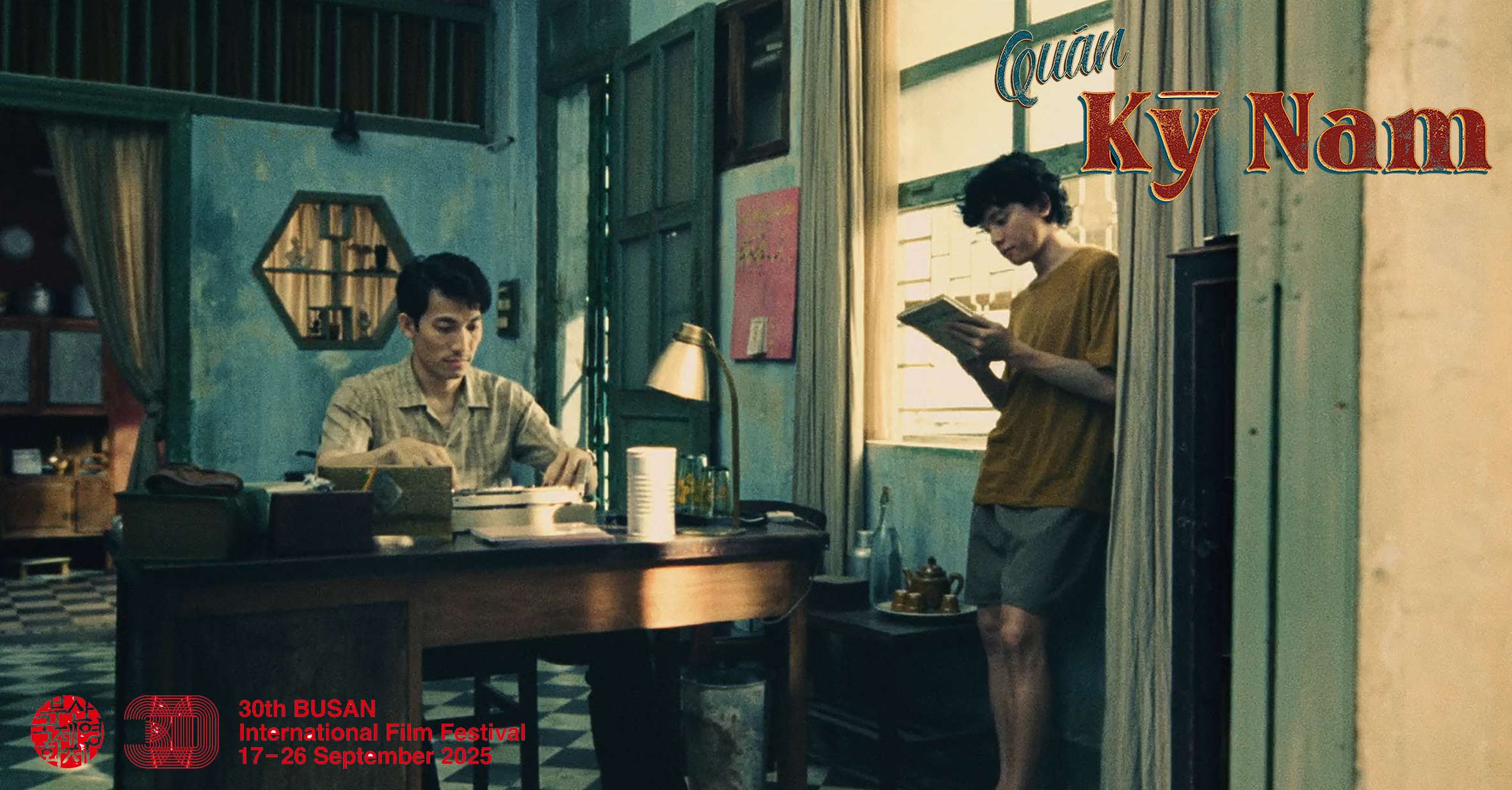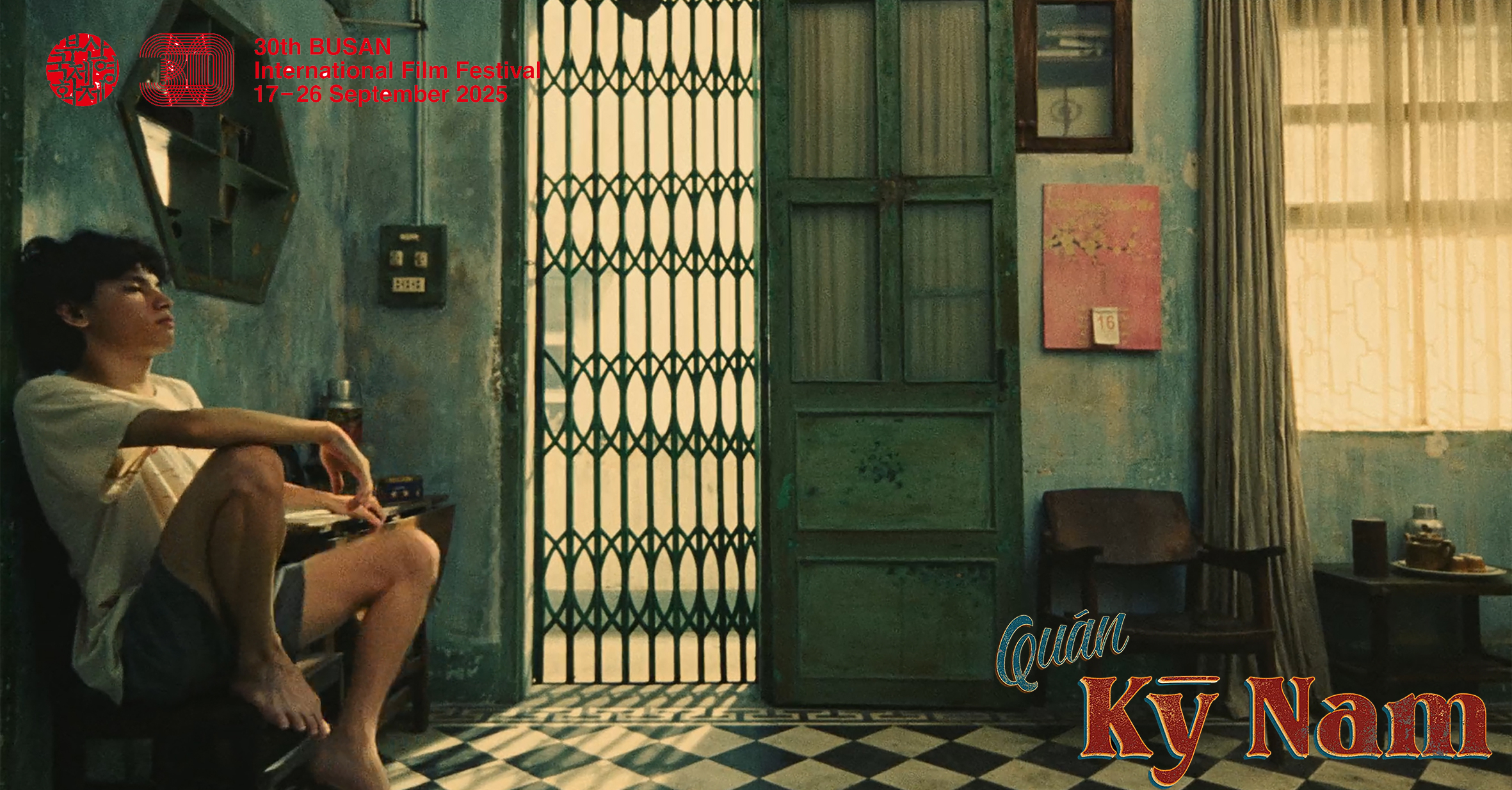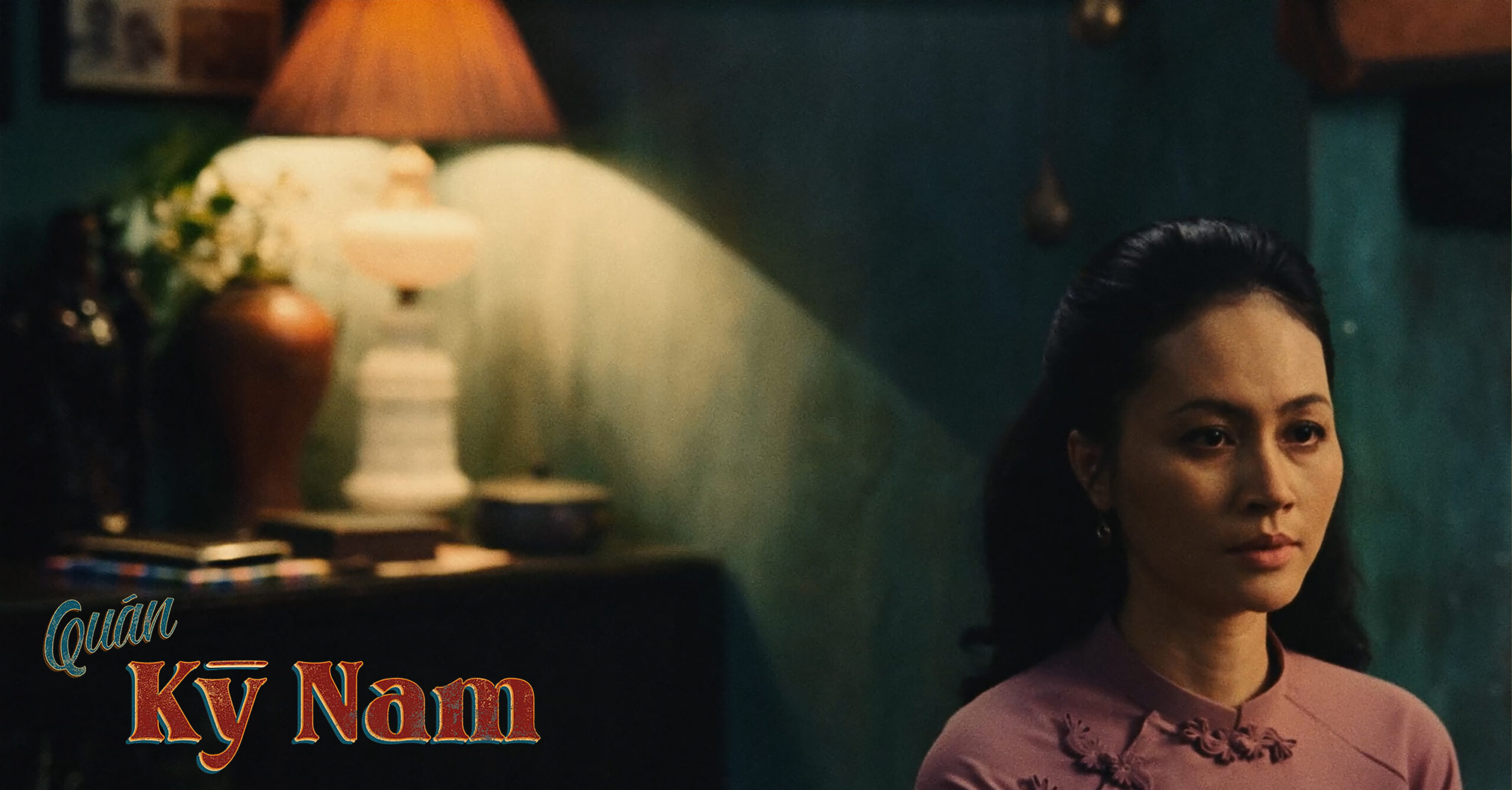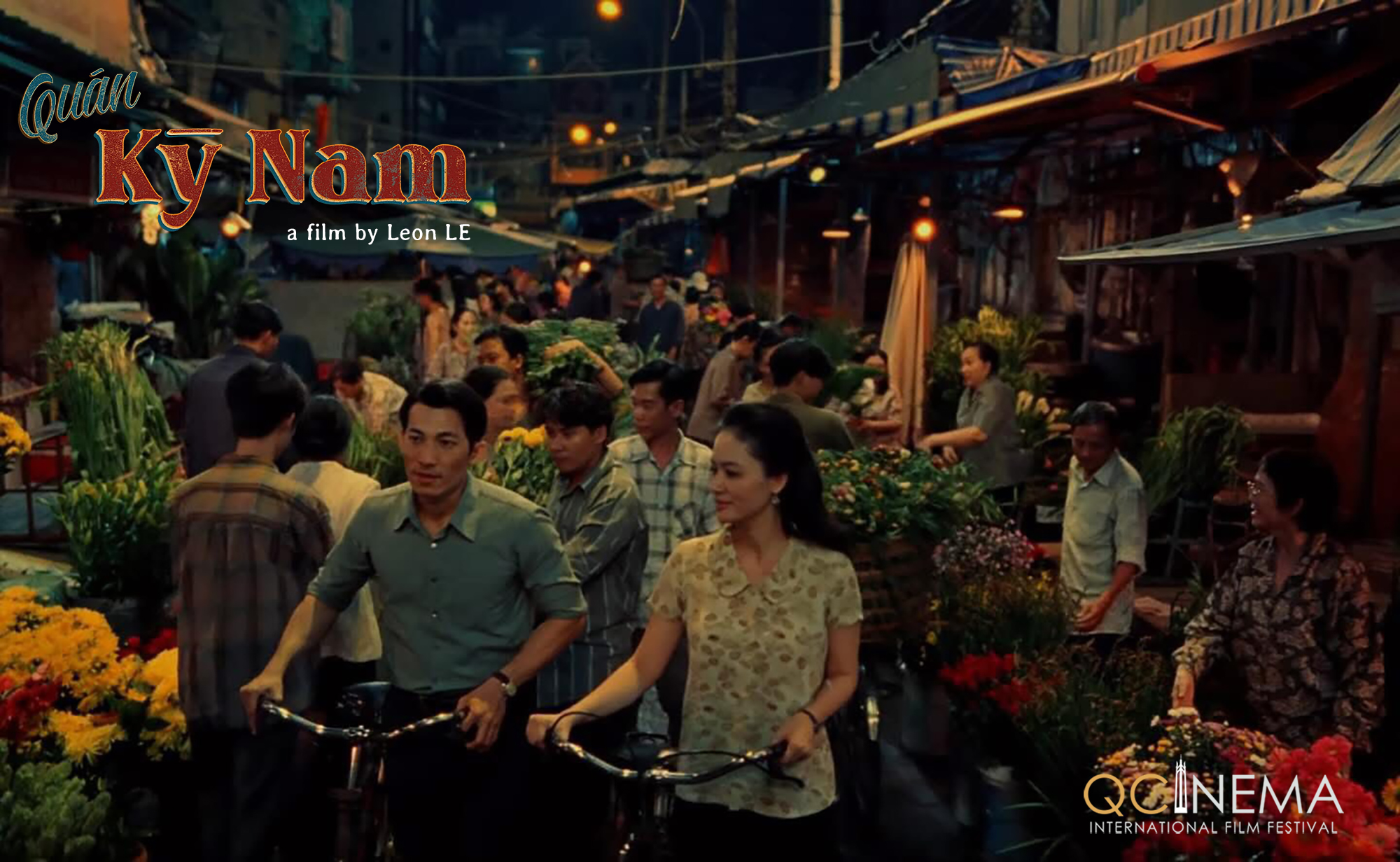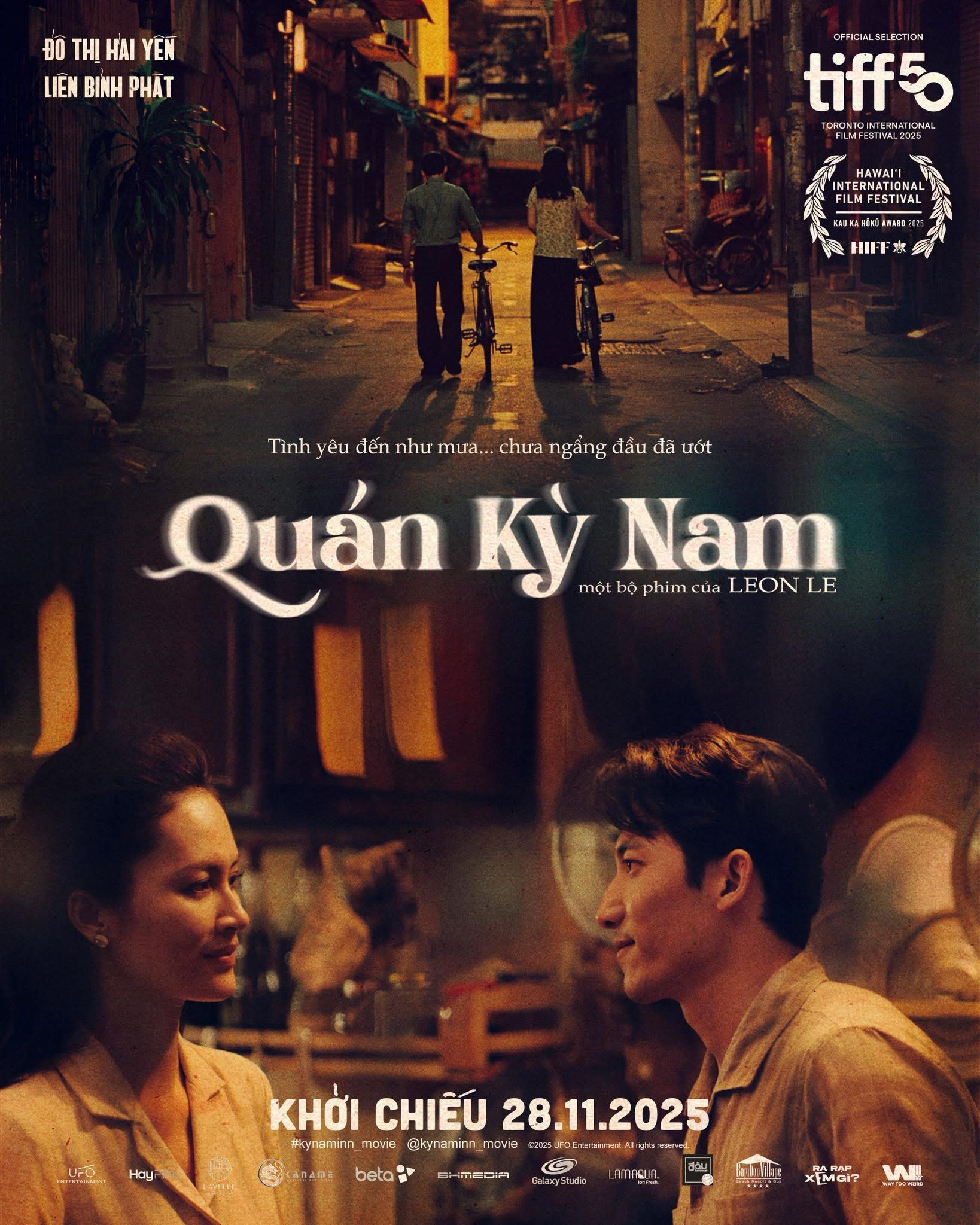
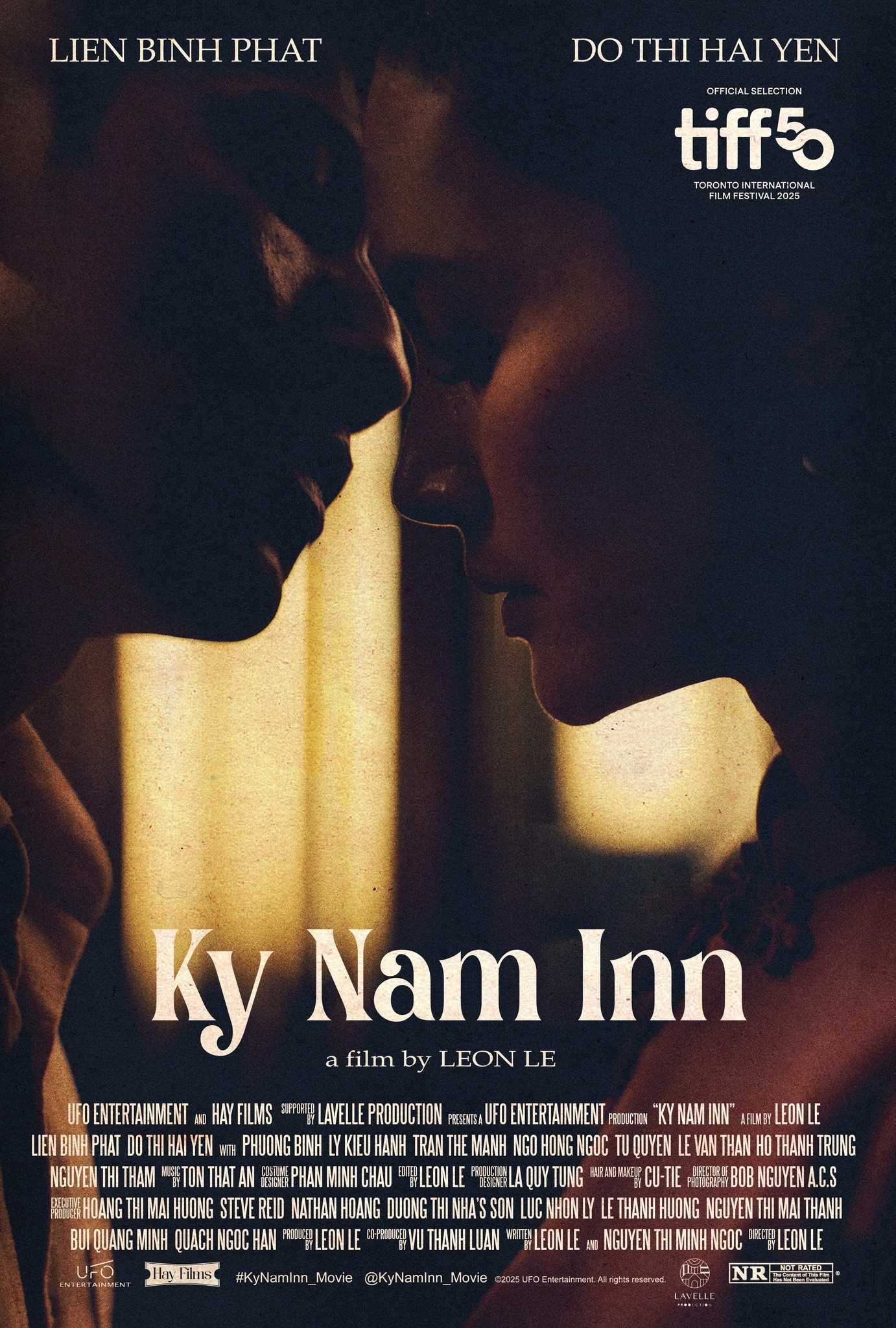
Ky Nam Inn | Quán Kỳ Nam
2025 Vietnam – 138 min
Directed by Leon Lê
Cast | Liên Bỉnh Phát, Đỗ Thị Hải Yến, Trần Thế Mạnh, Lê Văn Thân, Phương Bình, Ngô Hồng Ngọc, Tú Quyên, Hồ Thành Trung, Nguyễn Thu Thắm, Lý Hồng Ân, Nguyễn Sỹ Hậu
Screenplay | Nguyễn Thị Minh Ngọc & Leon Lê
Cinematography | Bob Nguyễn
Art department | La Quy Tung
Editing | Leon Lê
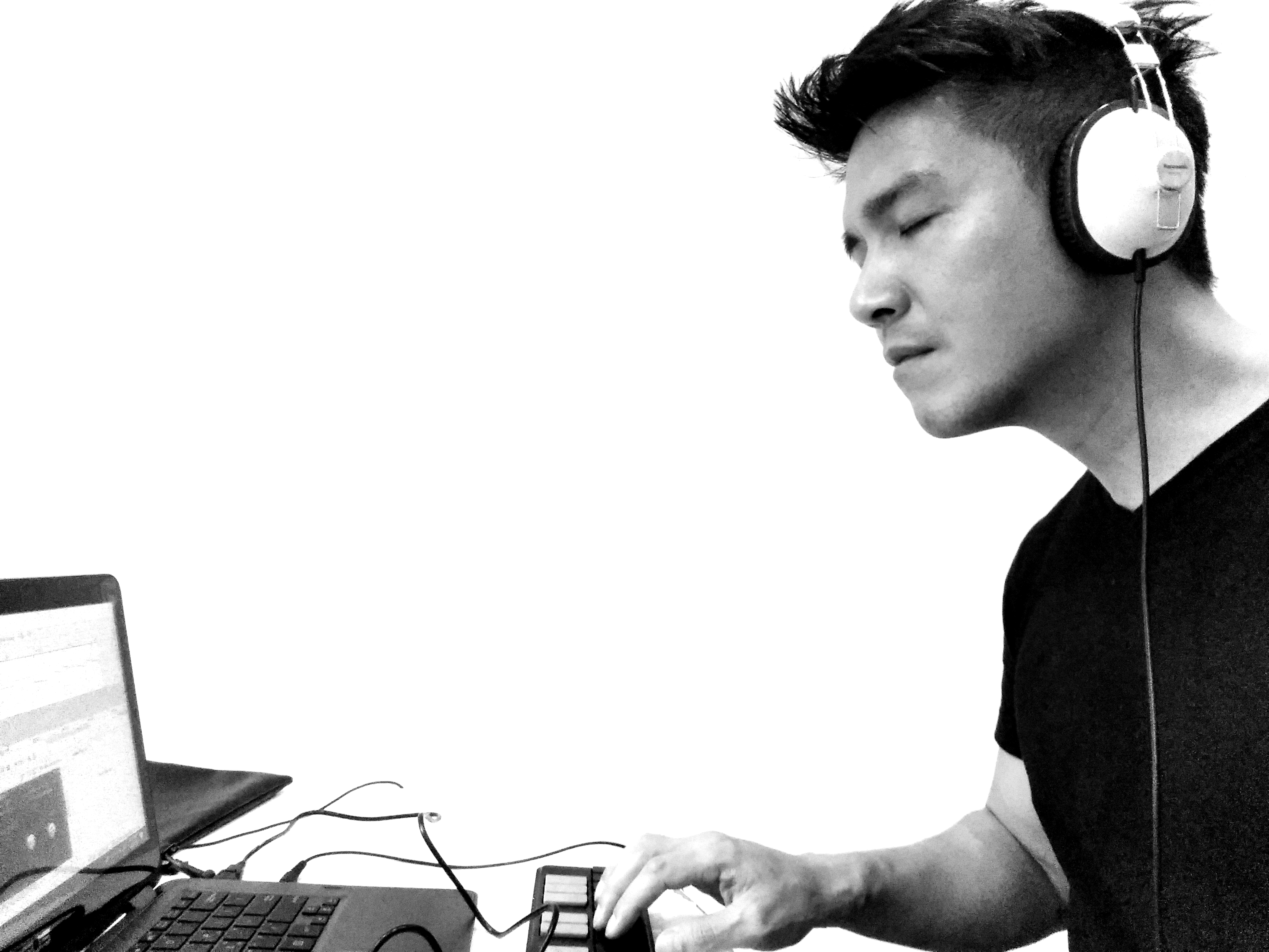
Music | Tôn Thất An
Sound | Vũ Thanh Long
Producers | Leon Lê, Vũ Thành Luân, Bùi Quang Minh, Hoàng Thị Mai Hương
“The score by An Ton That further reinforces the film’s identity. Eschewing familiarity, it leans into something more abstract and textured, enhancing the film’s atmosphere without dictating it. It’s an unconventional choice, but one that aligns perfectly with the film’s commitment to authenticity.”
Dominic La-Viola – Four Time Film School Dropout
Premiere at the Toronto International Film Festival, 2025
Asian Premiere at the Busan International Film Festival, 2025
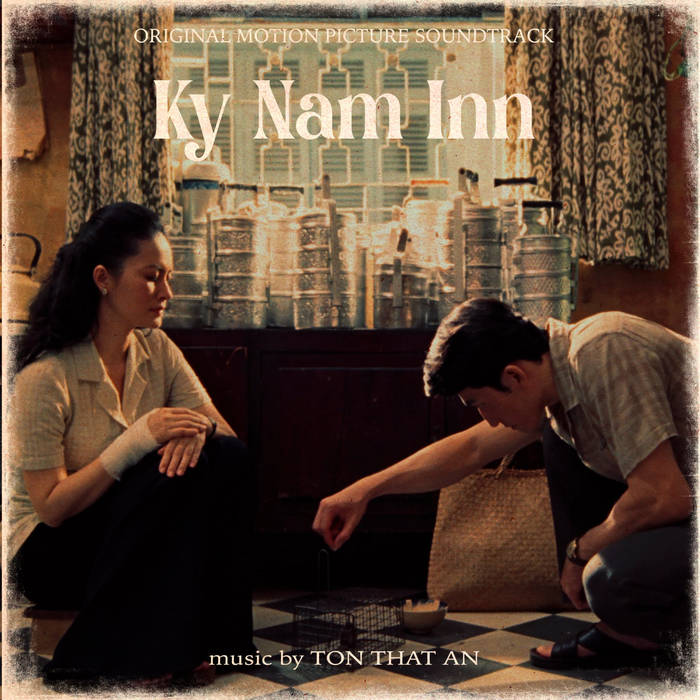
Listen to the soundtrack
(click image to open)
In conversation for Vanity Vietnam:
Kỳ Nam, is a film with lots of dialogues, like in a theatre play, with also references to Saint Exupéry’s Le Petit Prince – Khang, the main protagonist has to make a new translation of the book, and it also echoes the situation he and Kỳ Nam are living. The director also uses many old songs that the character of Ông Hạo enjoys listening to, and great attention has been paid from the art department to recreate the atmosphere of the era. The film was shot on 35 mn, so it was quite a challenge to navigate within the narrow margin that was left for the score.
How did you approach character portrayal through music: Kỳ Nam, Khang, Su or from a different perspective in terms of composition?
Most of the film takes place in that old building and sonically, I couldn’t get too experimental, so I envisioned the music as a chamber piece and gathered a small group of players: clarinet (Chiu Chia-i), violin (Edric Chang), cello (Emily Chang), a string trio, classical guitar (Franco Maigue), piano and double bass (Chen Yuan Ping) – the clarinet is connected to Kỳ Nam and the cello to Khang, the guitar represents Khang’s longing for Kỳ Nam, his tentative connection to her. For two thirds of the film, the music is used as musical punctuations, as transitions between the scenes. It’s only after Ông Hạo passes away that the score can begin to develop a little and take more space.
However, I didn’t let that restrict me when I composed the music. Even before I could see any image of the film, I already had musical ideas for some of the characters while reading the screenplay. I don’t follow cues and I prefer to write full length pieces until I feel that the musical picture of a scene / character is complete. Eventually, only the essence of the contour of each piece is actually heard in the film. The director wanted the music to be felt but not be noticeable. Of course, one could argue that there may be a limit to that approach if you consider the international audience who cannot understand Vietnamese…
Which sequence you composed for the film are you most proud of?
The very first piece of music that came to me was Before the after – it’s heard in parts during Kỳ Nam and Khang’s night out. I had it in my head long before the film began shooting!
I’m also quite happy with a piece called Funeral by the ocean. It’s the only piece with a fuller, lusher orchestral sound – cello solo and strings, backed by a harp and a piano. That one has an amusing genesis: initially I composed it for the wedding scene, as Kỳ Nam and Khang’s counterpoint to the joy and liveliness of the other people. On hearing it, Leon said that it was very nice but perhaps more suitable for the funeral scene by the ocean, when Kỳ Nam is mourning her lost son Dương, but not at all for the wedding!
There’s also that piece ‘I saw rivers’ the finale music that plays during Khang’s final monologue. All the musicians are heard in it, as Khang looks back on the events and all the people who live in that building. It’s the only piece of the whole score that plays (almost) in its entirety.
read the full interview
“The stars are beautiful because of a flower that can’t be seen.”: A talk with composer Ton That An
In Vietnamese:
“Với một nghệ sĩ biểu diễn, tất cả ta sở hữu chính là thời điểm hiện tại khi mỗi nốt nhạc được cất lên” – Tôn Thất An